
Home Remodeling in Minneapolis, MN
Local Remodeling Expertise
In the chain of neighborhoods around Minneapolis—from lakefront Uptown to tree-lined Kenwood and historic Northeast—whole-house remodeling and kitchen renovations demand careful planning and local knowledge. This page covers what's involved in remodeling in Minneapolis, MN, how permits work here, and why finding a remodeler who understands the city's building codes and home styles matters.
Whether you're adding a bathroom in a 1920s bungalow in South Minneapolis or opening up the kitchen in a North Loop warehouse conversion, we guide you through the entire process—from design and permits to finishing touches.
How Remodeling Works in Minneapolis
Every remodel starts with a clear plan and moves through defined phases. Here's what to expect.
Planning & Design
We meet with you to discuss layout, materials, and style preferences. Minneapolis neighborhoods have distinct architectural character—we respect it while bringing your vision to life.
Permits & Approvals
Most kitchen and bathroom work in Minneapolis requires permits for plumbing, electrical, and structural changes. We handle the paperwork and coordination with the city.
Demo & Build
We remove existing elements, prepare the space, and install new systems. Dust control and protecting your home is a priority throughout this phase.
Inspections & Finishes
City inspectors verify that plumbing, electrical, and structural work meet code. Once approved, we finish details and add paint, flooring, and trim.
Final Walkthrough
We review the completed project with you, answer questions, and ensure every detail meets your expectations and city code.
Warranty & Support
After project completion, we're available to answer questions and address any service needs. Your satisfaction is our priority.
You'll always know what's happening next—and who to contact with questions.
Our Services
We specialize in the remodeling projects Minneapolis homeowners need most.
Kitchen Remodeling
Kitchens are the heart of Minneapolis homes. We design and build custom kitchens with new layouts, modern cabinetry, countertops, backsplash, and lighting.
- Custom cabinet installation and design
- Island design and built-in seating
- Countertops, backsplash, and flooring
- Electrical and plumbing updates for modern appliances
Kitchen remodels in historic neighborhoods like Longfellow require careful attention to original character while adding modern function.
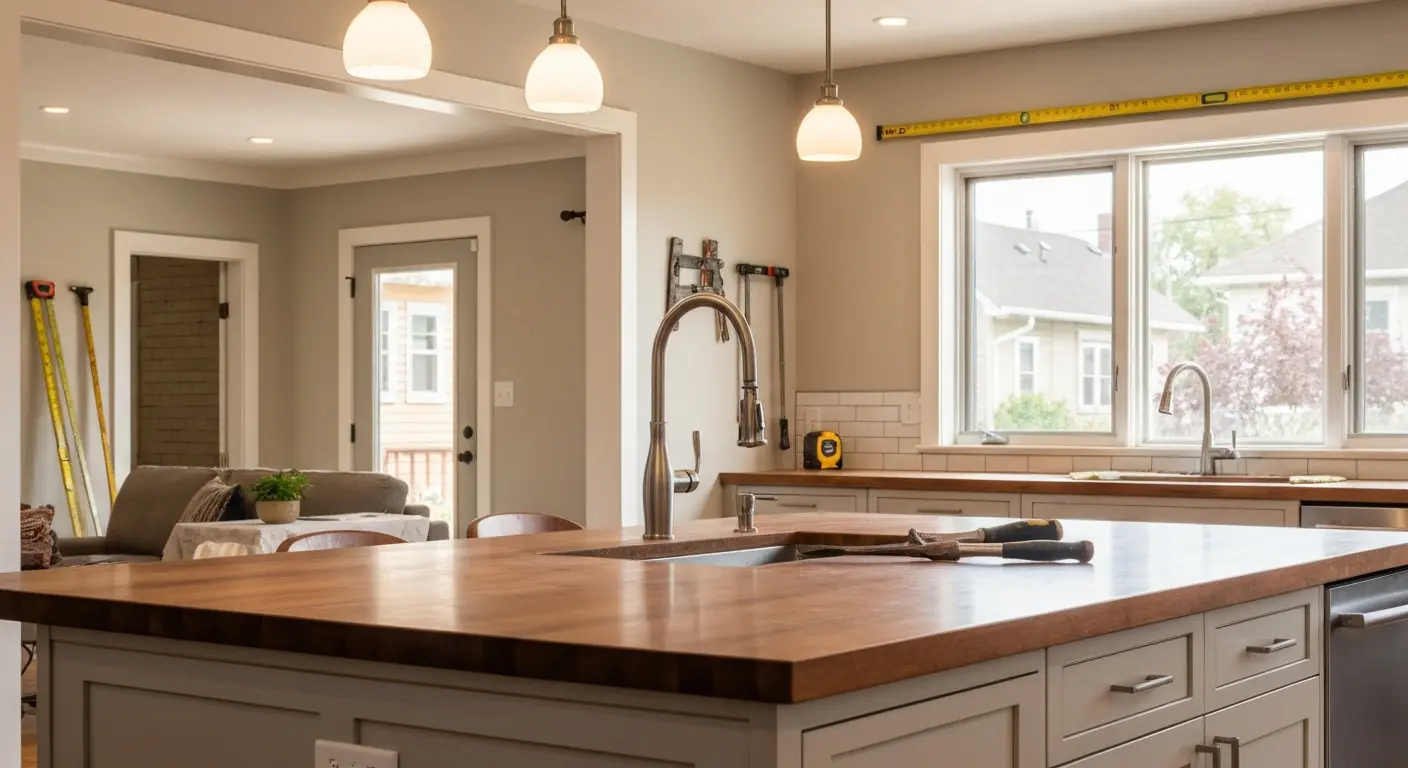
Custom kitchen renovation with island seating and open-concept design in Southwest Minneapolis
Bathroom Remodeling
Bathrooms require careful coordination of plumbing, electrical, and ventilation. We handle tile showers, vanity installation, and lighting fixtures.
- Tile shower and tub installation
- Vanity and cabinet installation
- Flooring and waterproofing
- Plumbing and electrical systems
Minneapolis bathrooms in close neighborhoods like North Loop demand efficient use of space while meeting all ventilation codes.
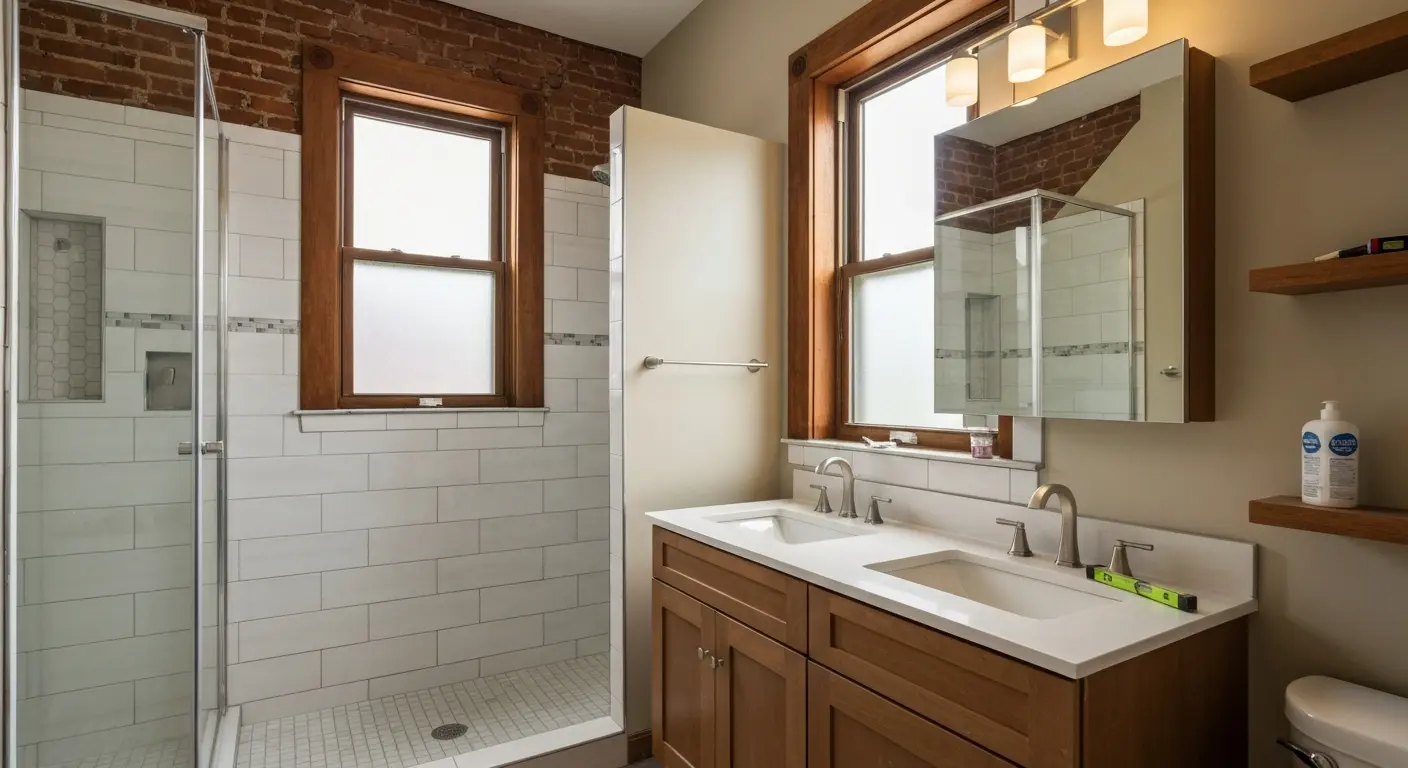
Tile shower and vanity renovation in Uptown Minneapolis residence
Whole-House Remodeling
Major renovations can involve the entire home—structural work, new layouts, updated systems, and refreshed finishes throughout.
- Open-concept and layout redesign
- Structural modifications and load-bearing updates
- New HVAC, electrical, and plumbing systems
- Flooring, finishes, and exterior work
Whole-house projects in Linden Hills and Bryn Mawr often respect original character while bringing outdated homes up to modern standards.
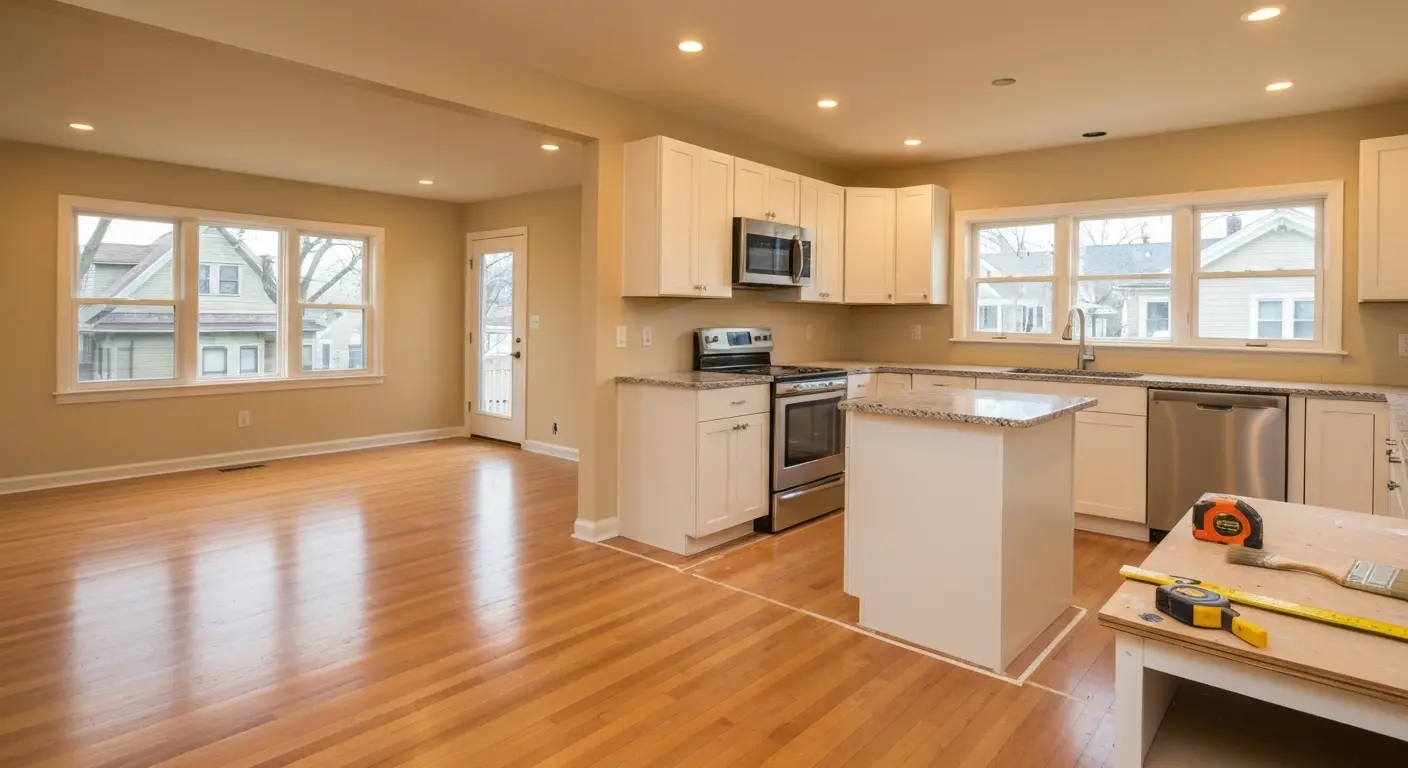
Comprehensive home renovation with new kitchen, bathroom, and open floor plan in South Minneapolis
Room Additions & Basements
Adding square footage requires new permits and careful site planning. Basement finishing is popular in Minneapolis's many split-level and traditional homes.
- Second-story and bedroom additions
- Basement finishing with egress windows and mechanical systems
- Deck and patio extensions
- Zoning compliance and setback requirements
Minneapolis zoning varies by neighborhood; we understand local requirements for additions near lakes, parks, and residential borders.
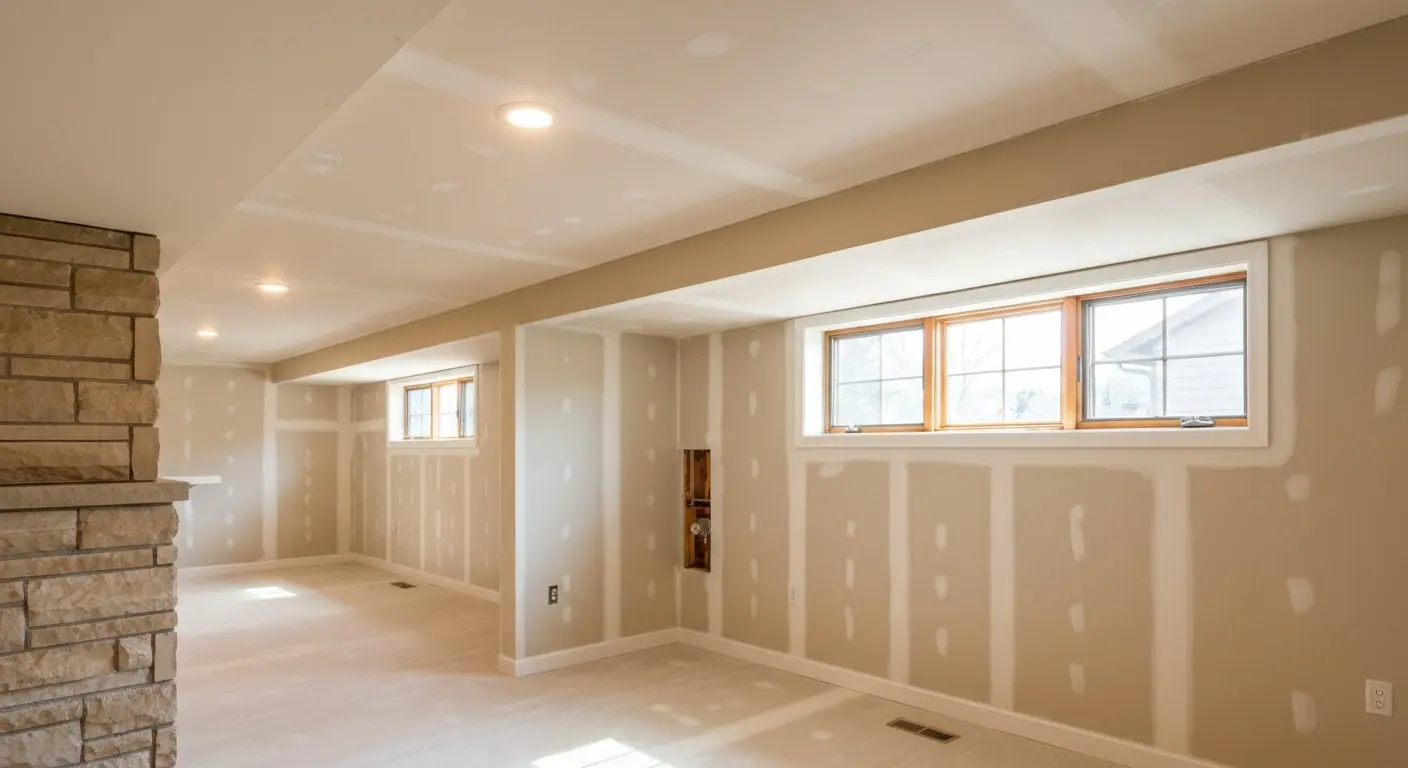
Finished basement with recreation space and egress windows in Northeast Minneapolis
Why Local Expertise Matters
Minneapolis has diverse neighborhoods with unique building styles, codes, and character. Here's why knowing the city matters.
Permits & City Coordination – We handle all Minneapolis permit applications, inspections, and code reviews. Structural changes, plumbing, electrical, and HVAC all require permits and inspections.
Historic Preservation – Many Minneapolis neighborhoods have heritage designations. Work in Lowry Hill, near Minnehaha Falls, or along the Mississippi River may require historic review.
Architectural Fit – Victorian Craftsman homes in Kenwood, 1950s ramblers in Southwest Minneapolis, and converted lofts in North Loop each need respectful design that honors neighborhood character.
Climate & Durability – Minnesota winters are harsh. We use materials and techniques that withstand freeze-thaw cycles and ensure long-term performance in this region.
Neighborhood Trust – We're familiar with local contractors, inspectors, material suppliers, and code officials. This network ensures smooth communication and timely project completion.
What Permits Are Required in Minneapolis?
Minneapolis requires permits for most remodeling work. Understanding what triggers a permit helps prevent delays.
Kitchen & Bathroom Remodels Needing Permits
Plumbing changes – Moving or adding sink, toilet, dishwasher, or other fixtures. Electrical updates – New circuits, outlets, or lighting fixtures. Structural work – Removing or relocating walls, especially load-bearing ones. HVAC or ventilation – New ducts, exhaust fans, or mechanical systems.
What Generally Does NOT Require a Permit
Cosmetic updates like painting, replacing cabinets without moving fixtures, installing new countertops or flooring in place, and replacing fixtures in the exact same location often don't need permits. Always check with the city if you're unsure.
Working with a licensed contractor who understands Minneapolis code requirements ensures your project gets approved on schedule and passes final inspection without delays.
Frequently Asked Questions
Do I need a permit for a kitchen remodel in Minneapolis?
Most kitchen remodels require a building permit if you're modifying plumbing, electrical systems, structural walls, HVAC, or windows. Cosmetic updates like new cabinets or countertops usually don't need permits, but check with the city if you're uncertain about your specific project.
What is required to get a building permit in Minneapolis?
You'll need to submit plans, specifications, and an application with your property address and description of the work. The city reviews the plans for code compliance, then issues the permit. Your contractor can handle this process for you.
Do I need separate permits for plumbing and electrical work?
Yes. Plumbing and electrical work each require separate permits and inspections in Minneapolis. A general remodeling permit covers structural and general work, but trades like plumbing, electrical, and mechanical must be permitted separately.
How does the inspection process work?
After the permit is issued and work begins, you'll schedule inspections at key stages—rough plumbing, rough electrical, framing, and final. City inspectors verify that work meets code before the next phase can proceed.
What's involved in historic district remodeling?
If your home is in a historic district or landmark, the city may require design review of exterior changes. Interior remodels typically have more flexibility, but it's best to consult the city early in the design phase to avoid surprises.
Can I skip permits to save money?
We don't recommend it. Unpermitted work can create liability issues, complicate future home sales, void insurance coverage, and result in fines. Licensed contractors are required to pull permits—it protects both you and your home's value.
Remodeling in Minneapolis is rewarding when you have the right team. Whether you're updating a historic bungalow in Longfellow, refreshing a contemporary home in Uptown, or adding space in Northeast, we bring local knowledge and quality craftsmanship to every project.
Ready to start your remodel? Contact us today to discuss your project, ask questions, and learn how we can transform your Minneapolis home.
DISCOVER WHAT OUR CUSTOMERS HAVE TO SAY ABOUT US
REVIEWS
proudly serving these areas
Bloomington, MN
Chanhassen, MN
Chaska, MN
Eden Prairie, MN
Edina, MN
Hopkins, MN
Minneapolis, MN
Minnetonka, MN
READY TO take the next step?
get a free quote TODAY!
QUICK LINKS
our services
service areas
operating HOURS
Mon: 7:00 am - 7:00 pm
Tue: 7:00 am - 7:00 pm
Wed: 7:00 am - 7:00 pm
Thu: 7:00 am - 7:00 pm
Fri: 7:00 am - 7:00 pm
Sat: Closed - Closed
Sun: Closed - Closed